Do You Need a Vet for Your Cat’s Frequent Litter Box Trips?
Do You Need a Vet for Your Cat’s Frequent Litter Box Trips?
If you have noticed your cat making more frequent trips to the litter box, it is natural to wonder whether this behavior is a minor issue or a sign that something more serious might be going on. Many cat owners ask, “How can I tell whether I need professional help with a cat making frequent litter-box trips?” At Express Vets Woodstock, we understand that sudden changes in your cat’s bathroom habits can be concerning and sometimes even alarming. In this blog, we will walk you through the common reasons behind increased litter box use, explain when it’s time to seek professional veterinary care, and share what to expect during a visit at our Woodstock location. Our goal is to help you recognize the signs that should prompt you to schedule an appointment, as well as offer practical tips for monitoring your cat’s health at home.
In the sections below, you will learn how to recognize problem signs, discover possible causes of frequent urination or straining, understand available treatment options, and know when to call our veterinary team for help. We will also connect you with helpful resources, such as our pet diagnostic lab services, so you can make confident decisions about your cat’s wellbeing.
Recognizing the Signs: Is Your Cat’s Litter Box Behavior a Concern?
It is not unusual for cats to occasionally use the litter box more often on a hot day or after a big drink of water. However, there are certain warning signs that indicate your cat’s frequent litter box trips could point to a medical problem. Key symptoms to watch for include making multiple attempts to urinate with little or no production, vocalizing or showing discomfort while in the box, straining or spending longer than usual in the litter area, urinating outside the box, and the presence of blood in the urine. You may also notice changes in your cat’s grooming habits, lethargy, loss of appetite, or hiding more than usual.
If your cat is visiting the litter box repeatedly but only passing small amounts of urine, or if you see her squatting for a long time without result, this could be a sign of a urinary tract problem. Cats that suddenly start avoiding the box or urinate in unusual places may also be signaling distress or pain. These behaviors are especially concerning if your cat is male, as male cats are at higher risk for urinary blockages, which can become life-threatening very quickly. By carefully observing your cat’s daily habits and keeping track of any changes, you are in the best position to answer the question, “How can I tell whether I need professional help with a cat making frequent litter-box trips?”
Common Causes of Frequent Litter Box Visits in Cats
There are several medical conditions and behavioral factors that can cause your cat to use the litter box more often than usual. Urinary tract infections (UTIs) are a frequent culprit, particularly in older cats. Symptoms of a UTI often include increased urination, straining, and discomfort. Another common cause is feline lower urinary tract disease (FLUTD), a group of conditions that can include bladder inflammation, crystals, or stones. Bladder stones can irritate the urinary tract, leading to pain and frequent attempts to urinate, and may eventually require specialized procedures such as a cystotomy surgery if stones are confirmed.
In some cases, male cats can develop a dangerous blockage in the urethra, which can prevent them from passing urine. This is a medical emergency that requires immediate veterinary care. Other causes of increased urination include diabetes, kidney disease, stress-related behavioral issues, or even reactions to changes in the environment, such as a new pet, moving to a new home, or changes in litter type.
Cats are masters at hiding discomfort, so even subtle changes in litter box habits can be significant. Not every episode of frequent urination is an emergency, but persistent changes should never be ignored. Understanding the possible causes can help you answer, “How can I tell whether I need professional help with a cat making frequent litter-box trips?” so you can act quickly if needed.
Diagnostic Steps and Treatment Options at Express Vets Woodstock
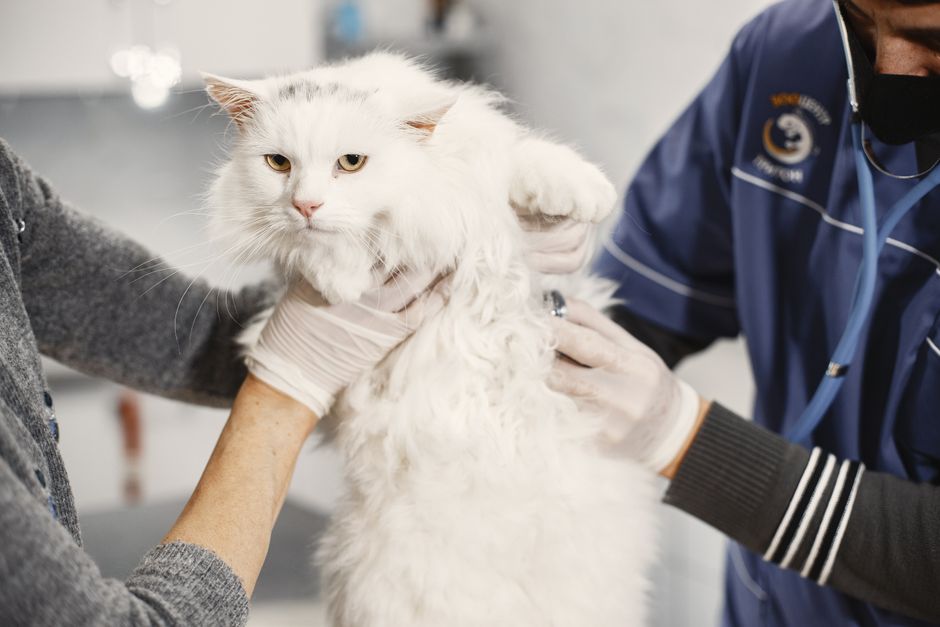
When you bring your cat to Express Vets Woodstock for concerns about frequent litter box use, our veterinary team will perform a thorough examination and discuss your observations in detail. The diagnostic process usually begins with a pet wellness examination, during which our veterinarians assess your cat’s overall health, hydration, and abdominal comfort.
To identify the underlying cause, we may recommend additional testing through our pet diagnostic laboratory. These tests often include urinalysis to check for infection, blood work to evaluate kidney and metabolic function, and sometimes urine cultures or crystals analysis. If a blockage, bladder stones, or structural concern is suspected, advanced imaging such as veterinary ultrasounds or digital radiology may be used to get a clearer view of your cat’s urinary tract.
Treatment approaches depend on the diagnosis. For urinary tract infections, antibiotics and increased water intake are commonly recommended. If your cat is diagnosed with bladder stones, a special diet or surgical intervention like a cystotomy may be needed. For male cats with urethral blockages, emergency relief of the obstruction is critical, followed by supportive care and possible surgery. Cats with diabetes or kidney disease will require tailored management plans, including medication, dietary changes, and ongoing monitoring. Throughout this process, our veterinary team will keep you informed and involved in every decision regarding your cat’s care.
At-Home Monitoring and Preventive Care
While some causes of increased litter box use are beyond your control, there are practical steps you can take at home to support your cat’s urinary health. Start by providing fresh, clean water at all times, as hydration helps flush the urinary system. Feeding a high-quality, balanced diet recommended by your veterinarian can also reduce the risk of urinary tract issues. For cats prone to stress, maintaining consistent routines, providing plenty of enrichment, and offering multiple litter boxes in quiet, accessible locations can make a big difference.
Regularly cleaning the litter box allows you to monitor for changes in urine color, amount, or odor. Keep a simple journal of your cat’s litter box habits, noting any changes or unusual behavior. This information is invaluable for your veterinarian if you need to schedule an appointment. Bringing your cat in for routine wellness examinations ensures that any developing issues are caught early, which can greatly improve outcomes.
When Should You Seek Professional Help for a Cat’s Frequent Litter Box Trips?
Knowing when to seek veterinary care is crucial for your cat’s health and comfort. Immediate attention is needed if your cat is straining to urinate with little or no output, vocalizing in pain, or showing signs of distress or lethargy. Male cats that cannot urinate require urgent treatment, as this condition can rapidly become life-threatening. Other red flags include blood in the urine, a sudden increase or decrease in urination, loss of appetite, vomiting, or collapse.
If your cat’s litter box habits have changed and these symptoms are present, do not wait; schedule an appointment with our team as soon as possible. Even if the signs are subtle, persistent changes in urination should always be evaluated by a veterinarian. Our team at Express Vets Woodstock can provide the necessary diagnostics, treatments, and ongoing care to help your cat feel better and prevent complications.
How Can I Tell Whether I Need Professional Help With a Cat Making Frequent Litter-Box Trips? Your Questions Answered
Many cat owners wonder, “How can I tell whether I need professional help with a cat making frequent litter-box trips?” The answer is to trust your instincts and look for any persistent or concerning changes in your cat’s urination habits. If you notice repeated trips to the litter box, straining, pain, or changes in behavior, it is always better to err on the side of caution and consult with your veterinarian. By acting early, you can prevent minor issues from becoming major health concerns.
Our team at Express Vets Woodstock is here to help you navigate these questions and provide clear recommendations based on your cat’s unique situation. We encourage you to reach out whenever you are unsure, as early intervention is key to maintaining your cat’s health.
Take the Next Step: Schedule a Visit With Express Vets Woodstock
Your cat’s urinary health is too important to leave to chance. If you find yourself asking, “How can I tell whether I need professional help with a cat making frequent litter-box trips?” or if you have observed any of the warning signs discussed above, we invite you to schedule an appointment with our knowledgeable veterinary team. Our comprehensive approach combines advanced diagnostics, compassionate care, and practical advice to support your cat’s wellbeing.
We proudly serve Woodstock and surrounding communities from our convenient location at 1428 Towne Lake Parkway, Suite 105, Woodstock, GA 30189. If you are searching for a trusted “vet near me” to help with your cat’s litter box concerns, our team is ready to assist. Contact us today at (470) 308-3245 to schedule your cat’s wellness examination or to discuss your concerns. Together, we can ensure your feline companion receives the care and attention needed for a healthy, happy life.
For more information about our services or to explore additional resources, visit our website. If you have further questions about your cat’s health or need guidance on how can I tell whether I need professional help with a cat making frequent litter-box trips, our caring veterinary professionals are here for you every step of the way.