How to Spot Early Signs of Illness in Dogs and Cats

How to Spot Early Signs of Illness in Dogs and Cats
As a pet owner in Woodstock, you know your furry friend better than anyone. But sometimes, the earliest signs that your dog or cat is not feeling well can be subtle or easy to overlook—especially during the cooler months when pets may be less active overall. At Express Vets Woodstock, located at 1428 Towne Lake Parkway, Suite 105, Woodstock, GA 30189, our veterinary team sees firsthand how early recognition and prompt care can make all the difference in your pet’s comfort and long-term health. This February, we want to help you learn how to spot the warning signs that may indicate your pet is feeling under the weather, explain what these signs might mean, and show how regular checkups with our clinic can keep your pet healthy year-round.
In this post, you’ll discover the most common early symptoms of illness in dogs and cats, why these changes happen, how our veterinarians diagnose and treat underlying problems, and practical steps you can take at home to monitor your pet’s wellbeing. We’ll also provide guidance on when it’s time to schedule an appointment with our veterinary team and how to find a trustworthy “vet near me” here in Woodstock and surrounding communities. Whether you’re concerned about a recent change in your pet’s behavior or simply want to stay proactive about their health, this guide is designed to empower you with knowledge and peace of mind.
Recognizing the Early Signs of Illness in Your Pet
Dogs and cats can’t tell us when something feels wrong, so it’s up to pet owners to be vigilant for changes that might signal an underlying problem. Many medical conditions start with only mild or vague signs, which can be easy to dismiss as normal aging, moodiness, or even the effects of winter weather. However, being attuned to your pet’s normal patterns and noticing when something seems different is often the first step toward early intervention.
Subtle Changes in Behavior and Activity
Key symptoms that your dog or cat might be feeling unwell include decreased energy or reluctance to play, changes in appetite such as eating less or more than usual, and altered sleep patterns. You might also notice your pet hiding, becoming unusually clingy, or showing less interest in family members or their usual activities. Sometimes, pets become irritable or vocalize more than normal, which can be a sign of pain or discomfort.
Physical Signs to Watch For
Physical warning signs include vomiting, diarrhea, coughing, sneezing, or nasal discharge. Additionally, keep an eye out for changes in drinking habits, such as increased thirst or urination, sudden weight gain or loss, and changes in the condition of your pet’s coat or skin. For example, a dull, flaky, or thinning coat may indicate nutritional issues or hormonal imbalances. Bad breath, drooling, and pawing at the mouth can signal dental or oral health problems, which are especially common in both dogs and cats.
Unusual Movements or Postures
Other signs of illness include limping, difficulty rising or jumping, or hesitancy to use stairs. Stiffness, shaking, or unsteady walking can also be red flags. Cats may stop grooming themselves, leading to a greasy or unkempt appearance, while dogs may start excessively licking or scratching certain areas.
Recognizing these early changes helps you take prompt action and discuss your concerns with our veterinary professionals before minor symptoms develop into more serious health issues.
Why Pets Get Sick: Understanding the Causes
Illness in dogs and cats can arise from a wide range of causes, including infectious diseases, parasites, underlying chronic conditions, injuries, and even stress or environmental factors. In Woodstock and surrounding communities, seasonal fluctuations, changes in routine, and exposure to other animals can all play a role in your pet’s health.
Common Reasons for Illness in Dogs and Cats
Some of the most frequent culprits include viral or bacterial infections, dental disease, gastrointestinal upset, and organ dysfunction such as kidney or liver problems. For example, dental disease is one of the most common health issues we diagnose in both dogs and cats; left untreated, it can lead to pain, difficulty eating, and even infections that spread to other parts of the body. Parasites such as fleas, ticks, and intestinal worms are also prevalent in Georgia and can cause a variety of symptoms, from mild itching to serious digestive or systemic illness.
Age-related changes contribute as well. Senior pets are more prone to conditions like arthritis, diabetes, or thyroid disorders, which can initially appear as decreased activity or changes in appetite. Environmental stressors—such as moving, boarding, or new pets in the household—may manifest through gastrointestinal upset or behavioral changes.
How Weather and Season Affect Pet Health
During colder months, pets may be less active or spend more time indoors, which sometimes makes it harder for owners to notice subtle changes. Additionally, dry indoor air can affect skin and respiratory health, while decreased sunlight may impact mood and energy levels. This makes winter an important time to be extra observant and proactive about your pet’s wellbeing.
Professional Veterinary Diagnosis and Treatment
If you notice any of the symptoms described above, it’s important to reach out to our team of veterinarians for a thorough evaluation. At Express Vets Woodstock, we offer comprehensive diagnostic and treatment services to pinpoint the underlying cause of your pet’s symptoms and begin effective care as soon as possible.
What to Expect During a Veterinary Visit
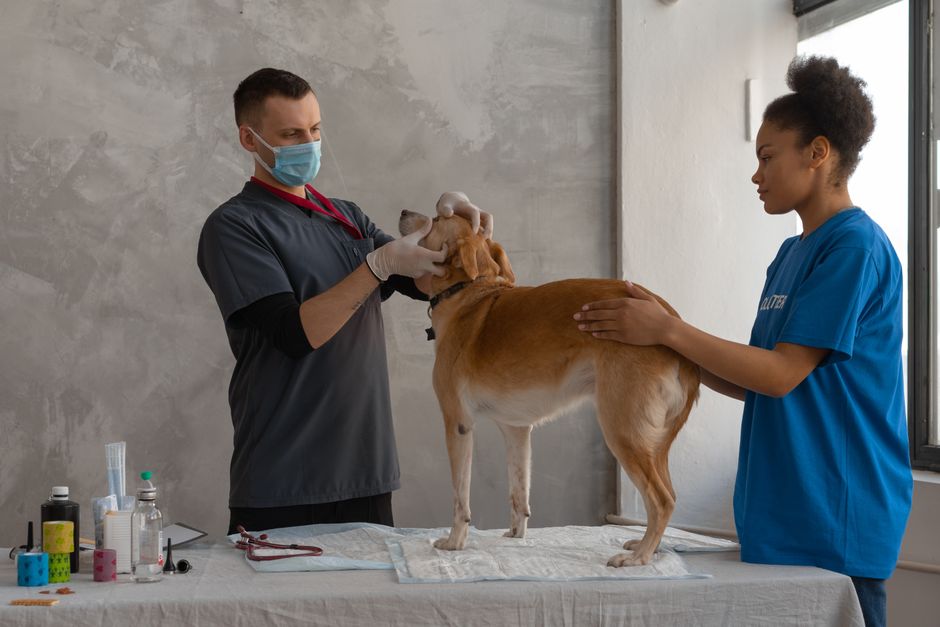
A typical wellness examination at our clinic involves a complete physical assessment, during which our veterinarians will check your pet’s heart, lungs, abdomen, joints, skin, and mouth for any abnormalities. We will listen carefully to your observations about changes in your pet’s behavior or habits, as this information is invaluable in reaching an accurate diagnosis.
When symptoms suggest an underlying issue, additional diagnostics may be recommended. These can include blood tests, urinalysis, fecal exams, or imaging such as digital radiology or ultrasound services. For example, bloodwork can help detect infections, organ dysfunction, or metabolic imbalances, while digital radiology allows us to examine bones and internal organs for injuries or disease.
Dental problems are a frequent finding during routine exams. If our veterinarians notice signs of gingivitis, tooth decay, or oral pain, we may recommend a professional dental cleaning or oral surgery to address the problem and prevent further complications.
Treatment Options and Ongoing Management
Treatment approaches vary depending on the diagnosis. They may involve medication for infections or pain relief, dietary adjustments for digestive or metabolic concerns, or surgical intervention for more serious issues. Chronic conditions, such as arthritis or diabetes, often require ongoing management with regular monitoring, customized treatment plans, and adjustments as your pet’s needs change over time.
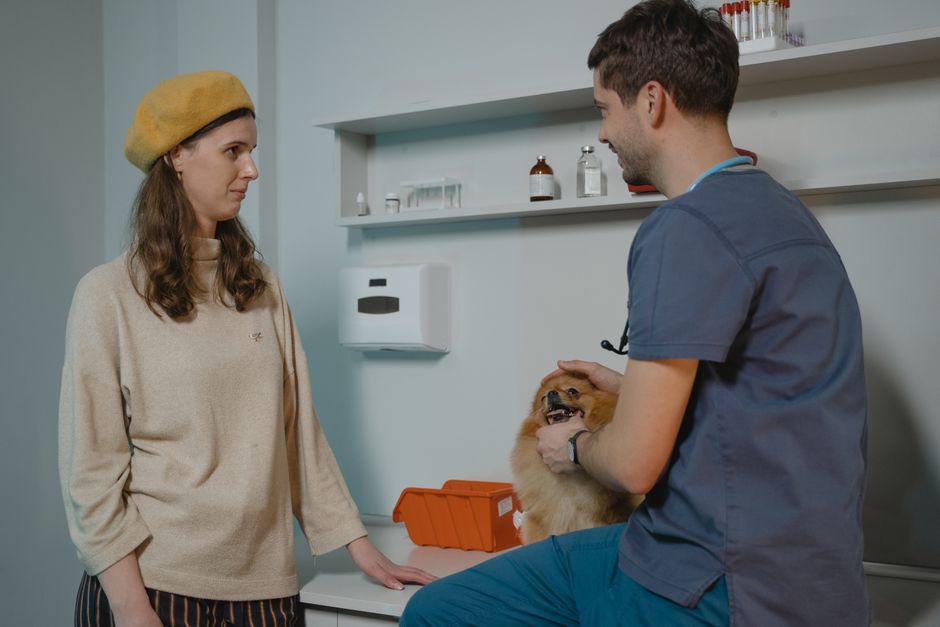
Throughout your pet’s care, our veterinary team will work closely with you to explain all findings, answer your questions, and ensure you feel confident about the next steps.
Home Care and Preventive Tips for Pet Owners
Caring for your pet at home plays a crucial role in preventing illness and catching problems early. By staying attuned to your pet’s normal habits and promptly noting any changes, you can help ensure their health and happiness year-round.
Monitoring and Record-Keeping
One of the most effective things you can do is regularly observe and document your pet’s appetite, water intake, energy level, and elimination habits. Noting any changes—such as increased thirst, loss of interest in food, or changes in stool—can help you and your veterinarian identify issues sooner. It’s also helpful to keep track of your pet’s weight and monitor for gradual gains or losses.
Nutrition, Exercise, and Hygiene
Providing a well-balanced diet appropriate for your pet’s age and health status is essential. Ensuring your dog or cat gets plenty of exercise, even during the winter months, helps support immune function, maintain healthy weight, and reduce behavioral issues. Regular brushing and grooming can alert you to skin problems, parasites, or unusual lumps and bumps. For dental health, brushing your pet’s teeth at home and scheduling regular professional dental cleanings are vital steps in preventing painful oral disease.
The Role of Preventive Veterinary Care
Routine veterinary visits are your best defense against illness. Annual or semi-annual wellness examinations allow our veterinarians to catch changes before they become serious and to update necessary vaccinations to protect against contagious diseases. Diagnostic screenings, such as heartworm testing and laboratory work, ensure that hidden problems are identified early, giving your pet the best chance for a long, healthy life.
When to Call Your Veterinarian: Don’t Wait for an Emergency
It can be difficult to know when a symptom is minor or when it could signal a more serious problem. As a general rule, any sudden, severe, or persistent change in your pet’s behavior, appetite, or appearance warrants a call to our veterinary professionals. If your dog or cat is experiencing repeated vomiting or diarrhea, labored breathing, loss of consciousness, or signs of significant pain, please contact us right away. Likewise, if you see blood in your pet’s stool or urine, notice signs of dehydration, or observe dramatic changes in mobility, prompt veterinary attention is essential.
For less urgent changes—such as gradual weight loss, mild coughing, or subtle appetite changes—it’s still wise to schedule an appointment, as these can be early indicators of underlying problems. Trust your instincts; you know your pet best, and our veterinary team is here to support you with answers and care whenever you have concerns.
If you are ever unsure, err on the side of caution. Early intervention can often prevent minor issues from becoming major health challenges.
Keeping Your Pet Healthy All Year Long in Woodstock
Spotting the early signs of illness in dogs and cats is one of the most important things you can do as a pet owner. By staying observant, practicing good home care, and partnering with our team at Express Vets Woodstock, you help ensure your pet enjoys a long, comfortable life. Our veterinarians are dedicated to providing comprehensive preventive care, accurate diagnosis, and compassionate treatment right here in Woodstock and surrounding communities.
If you’re searching for a reliable “vet near me,” we invite you to schedule an appointment with our veterinary professionals for a wellness examination or to discuss any concerns you may have about your pet’s health. Our entire team is committed to helping your pets stay happy and healthy in every season. To book your visit or for more information, call us at (470) 308-3245 or stop by our convenient location.
Remember, your vigilance and partnership with our veterinarians are the key to catching illness early and giving your pet the best care possible. For more detailed resources on pet health, you can also refer to trusted veterinary organizations such as the American Veterinary Medical Association or the Cornell Feline Health Center.
This blog is intended for informational purposes only and should not replace professional veterinary advice. If you have concerns about your pet’s health, please contact your veterinarian or schedule an appointment for a thorough examination.