Is White Dog Poop Dangerous? What Woodstock Pet Owners Need to Know

Is White Dog Poop Dangerous? What Woodstock Pet Owners Need to Know
Have you recently noticed white dog poop in your yard and wondered what it means for your pet’s health? As a pet owner in Woodstock, it’s natural to be concerned when something unusual appears in your dog’s bathroom habits. At Express Vets Woodstock, located at 1428 Towne Lake Parkway, Suite 105, Woodstock, GA 30189, we frequently hear questions like, “Is white dog poop dangerous?” This guide will explain what causes white stool in dogs, when it could be a sign of trouble, and what steps you should take next. Our veterinary team is committed to helping you keep your dog healthy and safe all year round, so you can feel confident about your pet’s wellbeing. If you’re ever in doubt about your dog’s health, scheduling a wellness examination is a great way to get answers and peace of mind.
Recognizing When White Dog Poop Could Be a Problem
Seeing white dog poop in your yard can be alarming, especially if it appears suddenly or persists for more than a day or two. While some changes in stool color can be harmless, others may point to underlying health problems that require veterinary attention. If your dog’s stool is consistently white, chalky, or pale in color, this is not typical and should prompt a closer look.
Key symptoms that may accompany white stool include diarrhea, constipation, straining to defecate, vomiting, lethargy, loss of appetite, or weight loss. Additionally, if there are visible pieces of bone or foreign objects in the stool, this could indicate dietary issues or even the ingestion of non-food items. Other warning signs are a sudden change in your dog’s behavior, persistent discomfort, or any evidence of blood or mucus in the stool. Paying attention to these changes is crucial for catching problems early and ensuring your pet stays healthy.
What Causes White Dog Poop?
Understanding what causes white dog poop helps answer the question, “Is white dog poop dangerous?” and guides you in responding appropriately. There are several reasons why your dog’s stool might turn white or pale. One of the most common culprits is diet, especially if your dog is eating a high amount of calcium, such as from raw bones or certain supplements. When a dog consumes a lot of bone material, the stool can become hard, chalky, and white as it dries in the sun.
Another potential cause relates to digestive issues. Some dogs may have trouble absorbing nutrients due to conditions affecting the pancreas, liver, or gallbladder. Diseases that interfere with bile production can result in pale or grayish stool because bile gives normal stool its brown color. Additionally, certain medications or treatments might temporarily change stool color.
In rare cases, white or pale stool can be a sign of a more serious health issue, such as exocrine pancreatic insufficiency, liver disease, or a blockage in the bile ducts. Parasitic infections, while less commonly the direct cause of white stool, can also disrupt normal digestion and change the appearance of feces.
Is White Dog Poop Dangerous? What Woodstock Pet Owners Should Consider
The central concern for Woodstock pet owners is whether white dog poop is dangerous for their pets. In many cases, white stool caused by dietary factors—such as eating bones—may not be immediately threatening, but it can still signal a potential problem if it persists. For instance, regular consumption of large amounts of bone can lead to constipation, difficulty passing stool, or even more severe complications like gastrointestinal blockages.
When white dog poop is accompanied by other symptoms like vomiting, lethargy, or a change in appetite, this raises the level of concern. These signs could point to underlying medical conditions that require prompt evaluation by a veterinarian. In young puppies, senior dogs, or pets with existing health issues, even minor digestive changes should be taken seriously.
If you notice white dog poop that lasts more than a day or two, or if your pet appears unwell, it’s important to schedule a comprehensive pet exam with our veterinary team. Early diagnosis and treatment are key to preventing more serious health problems.
How Our Veterinary Team Diagnoses and Treats Unusual Stool
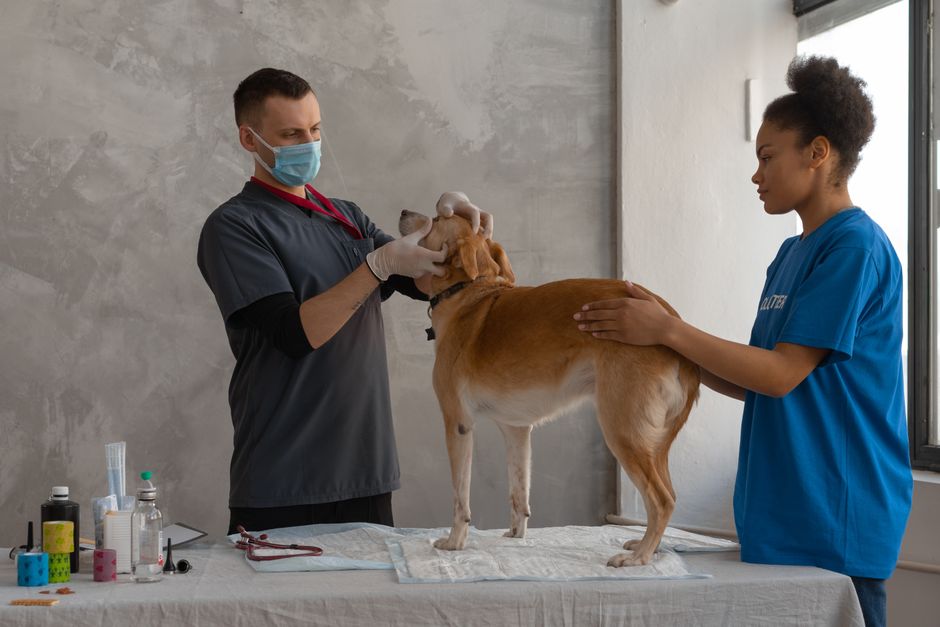
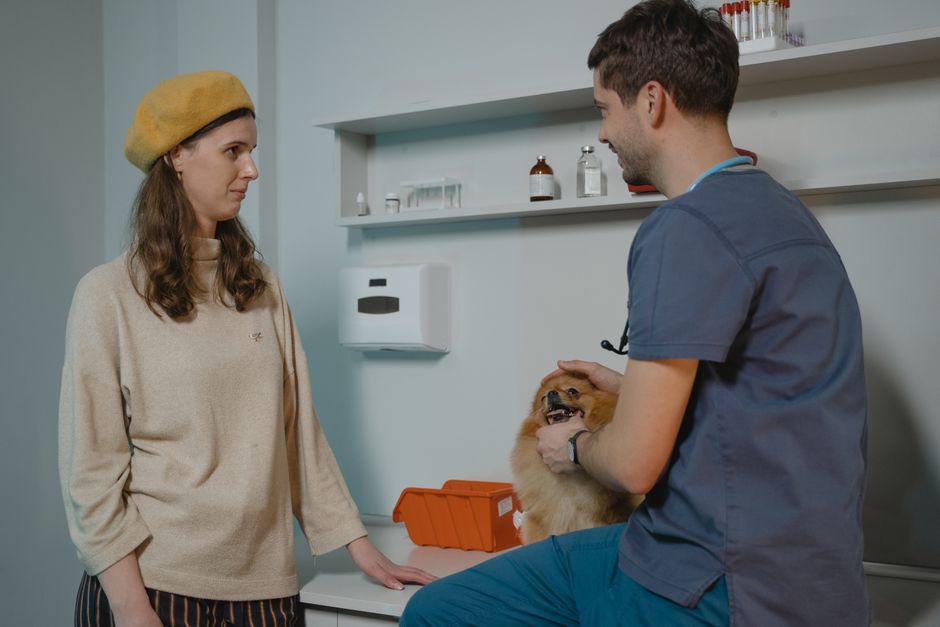
When you bring your pet to Express Vets Woodstock with concerns about white dog poop, our veterinarians start with a thorough history and physical examination. We ask about recent dietary changes, exposure to bones or new treats, and any other symptoms your dog might be experiencing. This allows us to narrow down possible causes and tailor our diagnostic plan.
Diagnostic steps often involve a combination of fecal testing, bloodwork, and possibly imaging studies. Our in-house diagnostic laboratory allows us to quickly analyze stool samples for parasites, evaluate organ function, and check for signs of infection or inflammation. In cases where nutritional issues are suspected, our veterinarians may recommend dietary modifications or supplements to help restore normal digestion.
Treatment approaches depend on the underlying cause. If the white stool is related to diet, we may advise adjusting your dog’s food or reducing access to bones. For digestive or metabolic disorders, treatments can include medications, enzyme supplements, or supportive care tailored to your dog’s specific diagnosis. Our veterinary professionals are dedicated to working with you to find the safest, most effective path back to health for your pet.
Preventing White Dog Poop: Tips for Woodstock Pet Owners
Prevention starts with a balanced diet and routine veterinary care. Feeding your dog high-quality commercial food that meets their nutritional needs is the best way to support healthy digestion. If you choose to offer bones or treats, do so sparingly and always under supervision to minimize the risk of constipation or gastrointestinal injury.
Regular wellness examinations help our veterinarians catch early signs of digestive issues and keep your pet’s overall health on track. Keeping your yard clean, monitoring for changes in stool, and practicing good hygiene can also reduce the risk of infections or parasites.
At home, observe your dog’s bathroom habits for any changes in color, consistency, or frequency. Quick action can make all the difference if something seems off. If you’re ever unsure about a change in your pet’s stool, reaching out to our team for advice or scheduling an appointment can provide peace of mind.
When to Seek Veterinary Care for White Dog Poop
It’s important to know when white dog poop requires more than just observation. If your dog’s stool turns white and the change persists for more than two days, or if your dog shows additional symptoms like vomiting, loss of appetite, abdominal pain, or lethargy, it’s time to contact Express Vets Woodstock. Dogs with a history of digestive problems, chronic illnesses, or those taking new medications should be monitored especially closely.
Our team of veterinarians is here to help you determine whether a simple dietary change is needed or if further diagnostic testing is warranted. Trust your instincts as a pet owner; if you feel something isn’t right, it’s always better to err on the side of caution and schedule a pet examination.
Keeping Woodstock Dogs Healthy: Take Action Today
White dog poop can be a confusing and sometimes alarming sign for pet owners, but with the right information and support, you can keep your dog safe. Remember, in most cases, a one-time occurrence of white stool may not be dangerous, but persistent changes or additional symptoms should never be ignored. Express Vets Woodstock is your trusted partner for answering questions like, “Is white dog poop dangerous?” and guiding you through every step of your pet’s care.
If you’re searching for a “vet near me” who understands the unique needs of Woodstock’s pets and provides compassionate, expert care, look no further than our veterinary professionals at 1428 Towne Lake Parkway, Suite 105, Woodstock, GA 30189. Schedule an appointment today by calling (470) 308-3245, and let us help you protect your dog’s health and happiness all year long.
For more tips on keeping your dog healthy or to discuss any concerns about white stool, reach out to our veterinary team or book a wellness examination at Express Vets Woodstock. Your dog’s wellbeing is our highest priority.
This blog is intended for informational purposes only and should not be used as a substitute for professional veterinary advice. If you have concerns about your pet’s health, always consult with your veterinarian.