Keeping Your Pet Healthy: Autumn Wellness Tips for Woodstock
Keeping Your Pet Healthy: Autumn Wellness Tips for Woodstock
As autumn arrives in Woodstock, Georgia, many pet owners start to notice changes in their dogs’ and cats’ routines. Cooler mornings, shorter days, and falling leaves bring new opportunities for outdoor adventures, but they also introduce different health considerations for your four-legged family members. At Express Vets Woodstock, located at 1428 Towne Lake Parkway, Suite 105, Woodstock, GA 30189, we know that keeping your pet healthy during autumn takes more than just putting away the summer gear. This season is the perfect time to review nutrition, address preventive care, and ensure your pet’s wellness is on track before winter arrives.
In this blog, we will explore how Woodstock’s fall weather impacts your dog or cat’s health, what seasonal risks to watch for, and which wellness steps are most important this time of year. You will find practical advice on autumn nutrition, preventive veterinary care, and tips for keeping your pet happy and comfortable as the temperatures drop. Whether you are a longtime resident or new to the area, our veterinary team is here to support you and your pet every step of the way. If it has been a while since your pet’s last checkup, scheduling a wellness examination this fall can help catch potential issues early and keep your companion thriving through the season.
Recognizing Autumn Health Challenges for Your Pet
Every season brings its own set of challenges for pets, and autumn is no exception. In Woodstock and surrounding communities, pet owners often notice their dogs and cats becoming more energetic as the heat subsides, but certain risks can increase during these months. Key symptoms to watch for include changes in appetite, reluctance to exercise, coughing, sneezing, or new scratching and licking behaviors. Additional signs such as excessive shedding, dry skin, or sudden changes in weight may also indicate underlying health issues that are more common in fall.
If you find your dog or cat is less playful, seems stiff after resting, or is drinking and urinating more than usual, these could all point to seasonal discomforts or a developing problem. Pay attention to symptoms like persistent sneezing, watery eyes, or new lumps and bumps, as these can also appear during this time of year due to environmental changes or allergens. Some pets may develop sensitivities as leaves, mold, and pollen shift with autumn weather. Being alert to these changes helps you address concerns early and avoid more serious issues down the road.
Why Autumn Impacts Pet Health in Woodstock
Georgia’s autumn climate is known for cooler nights, fluctuating daytime temperatures, and increased rainfall, all of which can influence your pet’s well-being. As the weather cools, pets often spend more time outdoors, which increases their exposure to environmental allergens, ticks, and other parasites that remain active well into November. Fleas and ticks do not disappear with the first cold snap, so ongoing vigilance is necessary.
Additionally, the change in daylight hours can affect your pet’s metabolism and activity levels. Some pets gain weight as they become less active, especially if their routines change due to earlier sunsets or cooler, rainy days. Cats in particular may experience seasonal shedding and dry skin as indoor heating becomes more common. It is also the season when acorns, mushrooms, and other outdoor hazards become more abundant, and curious pets may ingest something they should not.
Autumn is a transitional period, making it an ideal time for a comprehensive wellness examination to check for emerging health concerns and review preventive care. Understanding how the local climate impacts your pet allows you to make informed choices about their daily routine, nutrition, and veterinary needs.
Professional Veterinary Care: What to Expect This Fall
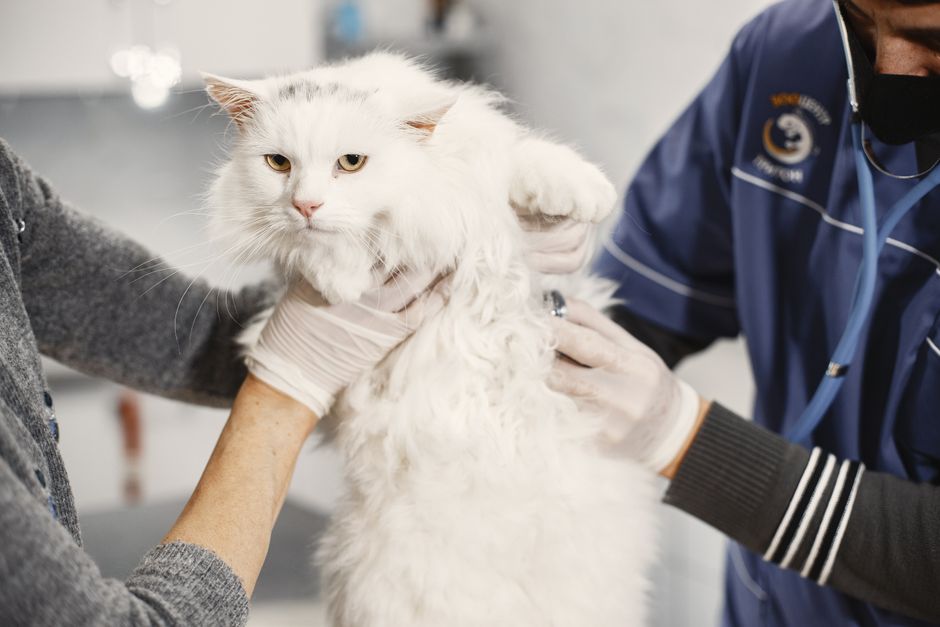
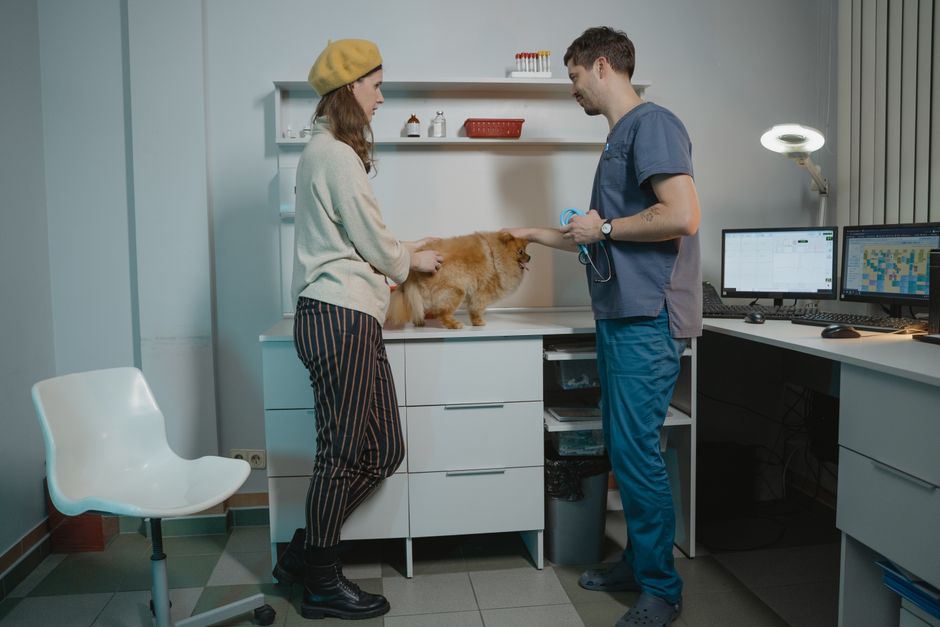
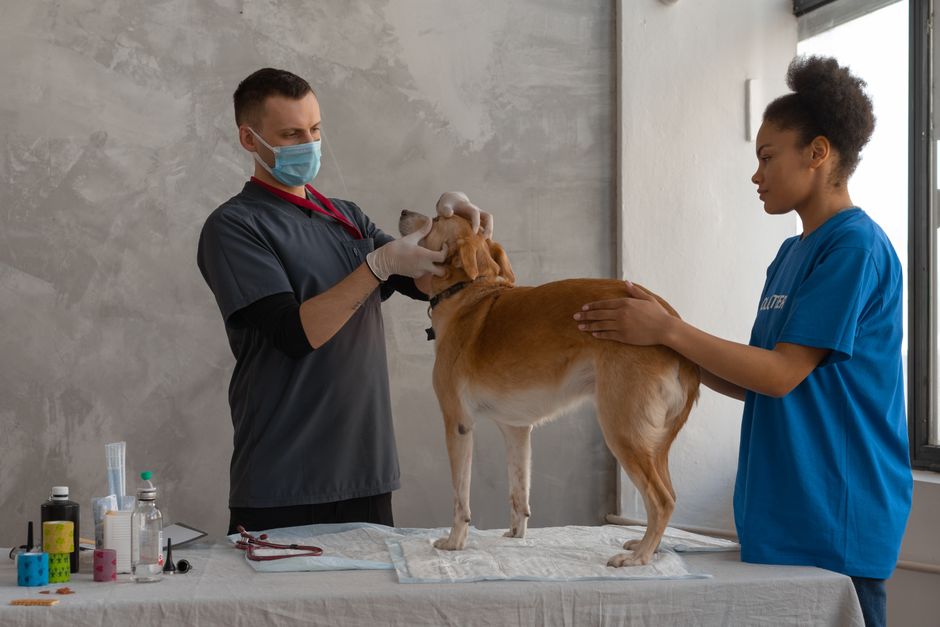
Scheduling a veterinary checkup in autumn is one of the most valuable steps you can take to protect your dog or cat’s health. During a fall wellness examination, our veterinary professionals at Express Vets Woodstock will assess your pet’s overall condition, review their vaccination status, and discuss parasite prevention strategies tailored to the season.
A typical visit may include a thorough physical exam, weight check, and a discussion of any changes you have noticed in your pet’s behavior or appetite. If your dog or cat is due for annual vaccines, autumn is an excellent time to update these before holiday boarding or family travel. Our team may also recommend pet diagnostic lab work to screen for common issues, such as early kidney problems, diabetes, or tick-borne diseases that can surface after summer exposure.
Heartworm prevention remains crucial throughout the fall, as mosquitoes can linger in Georgia’s mild climate. If your dog or cat is not currently protected, we may suggest a heartworm test and appropriate preventive medication. Additionally, our veterinarians can advise on skin and coat care, dental health, and nutrition adjustments specific to your pet’s age and lifestyle.
Autumn Home Care and Preventive Steps for Pet Owners
Caring for your pet at home during the fall involves a few simple changes that can make a significant difference in their comfort and health. Make sure your dog or cat continues to get regular exercise, even when the weather turns chilly or wet. Try indoor games or short, frequent walks during daylight hours if your pet seems reluctant to go outside.
Nutrition is another key area to consider. Some pets require fewer calories as activity levels drop, while others may benefit from a diet rich in omega-3 fatty acids to support skin and coat health during the dry season. Always consult your veterinarian before making major changes to your pet’s food, as sudden switches can upset their stomach.
Keep your home free of fallen leaves, acorns, and mushrooms, as these can be toxic if ingested. Check your pet’s fur and paws for burrs, ticks, or debris after outdoor activities. For cats, ensure they have a warm, draft-free space indoors, especially as nighttime temperatures dip. Dogs with short coats or older pets may appreciate a cozy jacket for brisk morning walks.
Consistent parasite prevention is essential. Continue using veterinarian-recommended flea, tick, and heartworm preventives, since many pests remain active until a hard freeze. Regular grooming helps keep your pet’s coat healthy and can reveal any developing skin issues early. If you notice increased shedding, dull fur, or persistent scratching, mention it during your next veterinary visit.
When to Schedule a Veterinary Visit
Knowing when to seek veterinary care is a crucial part of responsible pet ownership. If your dog or cat shows signs of illness that do not resolve within a day or two, such as persistent vomiting, diarrhea, coughing, limping, or loss of appetite, reach out to our team promptly. Sudden changes in behavior, such as hiding, aggression, or excessive vocalization, may also indicate discomfort or pain that needs to be addressed.
Routine pet examinations are recommended at least once a year for healthy adult pets and more frequently for seniors or those with chronic conditions. Autumn is the perfect time to catch up on preventive care, update vaccinations, and discuss any seasonal concerns with our veterinarians. If you are unsure whether your pet’s symptoms require an immediate visit, our veterinary team is always happy to provide guidance based on your observations.
When searching for a veterinarian near me, it is important to find a practice that understands the unique needs of pets in Woodstock and the surrounding area. Our local knowledge, combined with a commitment to thorough, compassionate care, ensures your pet gets the attention they deserve.
Supporting Your Pet’s Health All Autumn Long
Autumn in Woodstock brings crisp air, beautiful scenery, and plenty of opportunities to enjoy time with your dog or cat. By staying alert to seasonal health challenges, making thoughtful adjustments to nutrition and routines, and partnering with a trusted veterinary team, you can help your pet thrive no matter the weather. Remember that preventive care—from regular wellness examinations to ongoing parasite protection—is your best defense against illness as the seasons change.
If you have questions about your pet’s autumn health needs or want to schedule a checkup, the team of veterinarians at Express Vets Woodstock is here to help. Contact us at (470) 308-3245 or visit our Woodstock location to set up your appointment. Together, we can make sure your companion is happy, healthy, and ready for everything autumn has to offer.
This blog is intended for informational purposes only and should not be used as a substitute for professional veterinary advice. Always consult with your veterinarian for specific health concerns or before making changes to your pet’s care routine.